Class A vs Class B Residential Asbestos Services: A Homeowner's Guide for Hobart
Homeowners planning a renovation or property purchase need to understand the difference between Class A and Class B residential asbestos services in Hobart before hiring a removalist. Getting this wrong can mean the wrong licence for the job, putting your family's health at risk and leaving you exposed to compliance issues under Tasmanian regulations.
Many Hobart properties, particularly those in established suburbs like West Hobart, Sandy Bay, Moonah, and Glenorchy, were built during the post-war housing boom when asbestos-containing materials were standard practice. Knowing which licence class applies to your home is the first step toward safe removal.
What Is the Difference Between a Class A and Class B Licence?
The licence class determines which types of asbestos a removalist can legally handle under WorkSafe Tasmania.
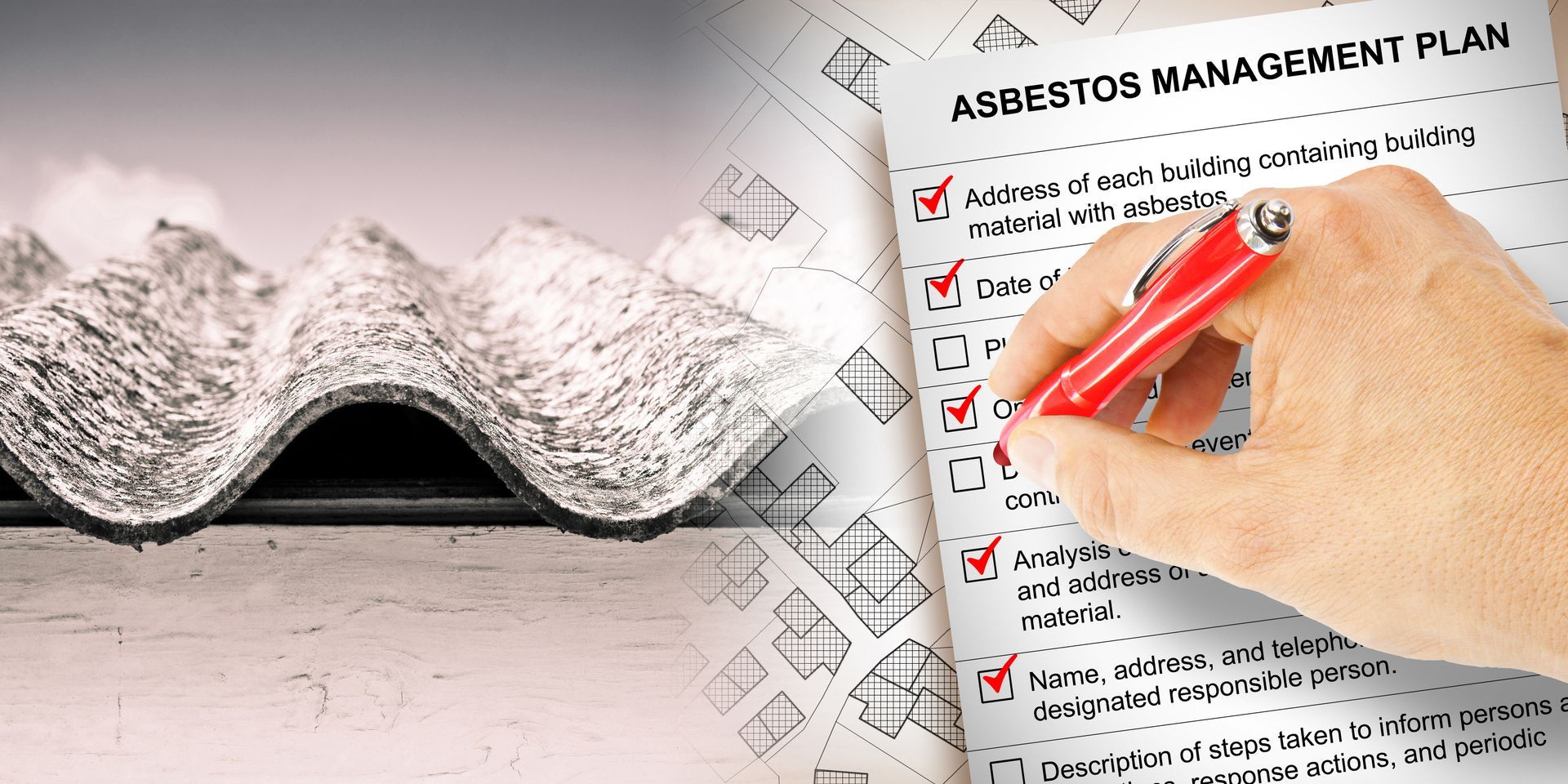
Class B (Non-Friable): Covers the removal of bonded asbestos-containing materials, where fibres are locked into a binding material like cement. Common examples in Hobart homes include fibre cement wall and ceiling sheeting (fibro), corrugated asbestos roofing, vinyl floor tiles, metre boards, and eave linings.
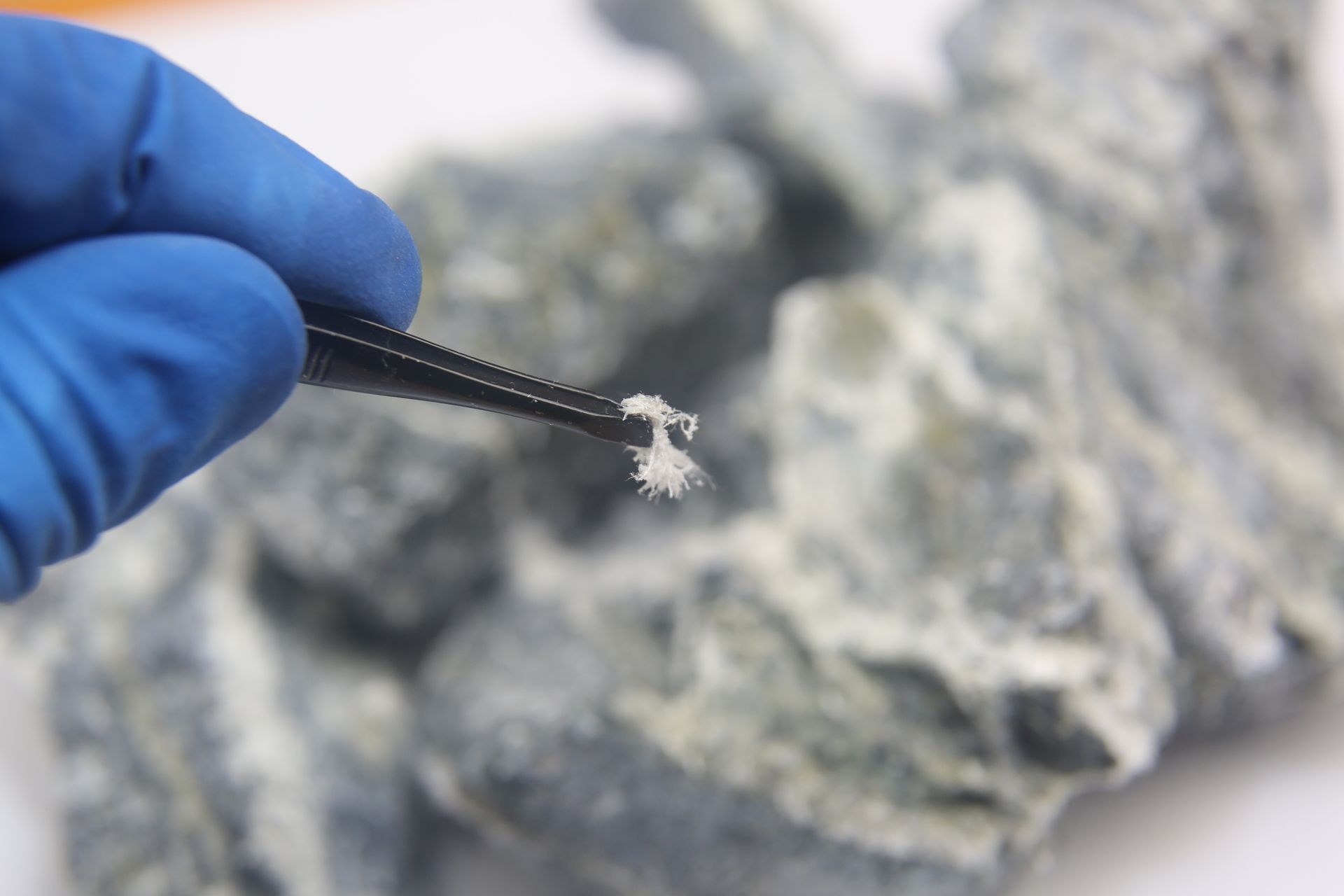
Class A (Friable): Permits removal of both friable and non-friable materials. Friable asbestos can be crumbled to dust by hand pressure, making airborne fibres far more likely. This type may appear in pipe lagging, asbestos rope gaskets, and some ceiling insulation in older Hobart properties.
A Class B removalist cannot legally touch friable materials. Only a Class A licensed builder may handle those residential asbestos services.
Which Licence Does My Hobart Home Likely Need?
Most residential removal jobs in Hobart involve non-friable materials and require a Class B licence at minimum. The city's significant stock of pre-1987 weatherboard and fibro homes means bonded asbestos in wall sheeting, roofing, and wet-area linings is the most commonly encountered material.
However, older homes near the Hobart waterfront or those largely unchanged since original construction are more likely to contain friable asbestos. Pipe lagging around hot water systems and older heating infrastructure may contain loosely bound fibres, requiring a Class A licensed removalist.
What Should Hobart Homeowners Verify Before Hiring a Removalist?
Before signing any contract for home asbestos services in Hobart confirm the following: the removalist holds a current licence recognised by WorkSafe Tasmania; the licence class matches the asbestos type identified in your property; a clearance certificate will be provided after removal; and the removalist follows notification requirements under the Work Health and Safety Regulations 2022. You can verify a builder's licence through WorkSafe Tasmania before any work begins.
Is a Licence Always Required for Small Removals?
Not always. Removal of less than 10 square metres of non-friable material may be exempt from licensing and formal notification requirements. However, all removal work must follow the Asbestos Removal Code of Practice and comply with EPA Tasmania disposal requirements. When in doubt, engaging a licensed professional is the safest choice.
Partner With an Experienced Team for Residential Asbestos Services
Professional asbestos services are the foundation of a safe home, whether you are renovating a Sandy Bay cottage or preparing a Moonah property for sale. Asbestas is a Tasmanian asbestos consulting and management specialist with more than 40 years of experience, assisting homeowners with inspections, sampling, audits, and removal project management.
Reach out to the team at 03 6339 1144 or visit the contact page to arrange a consultation. To learn more about the full scope of services available to residential property owners, explore the residential asbestos services page. You can also find Asbestas on Google to read reviews and get directions.